
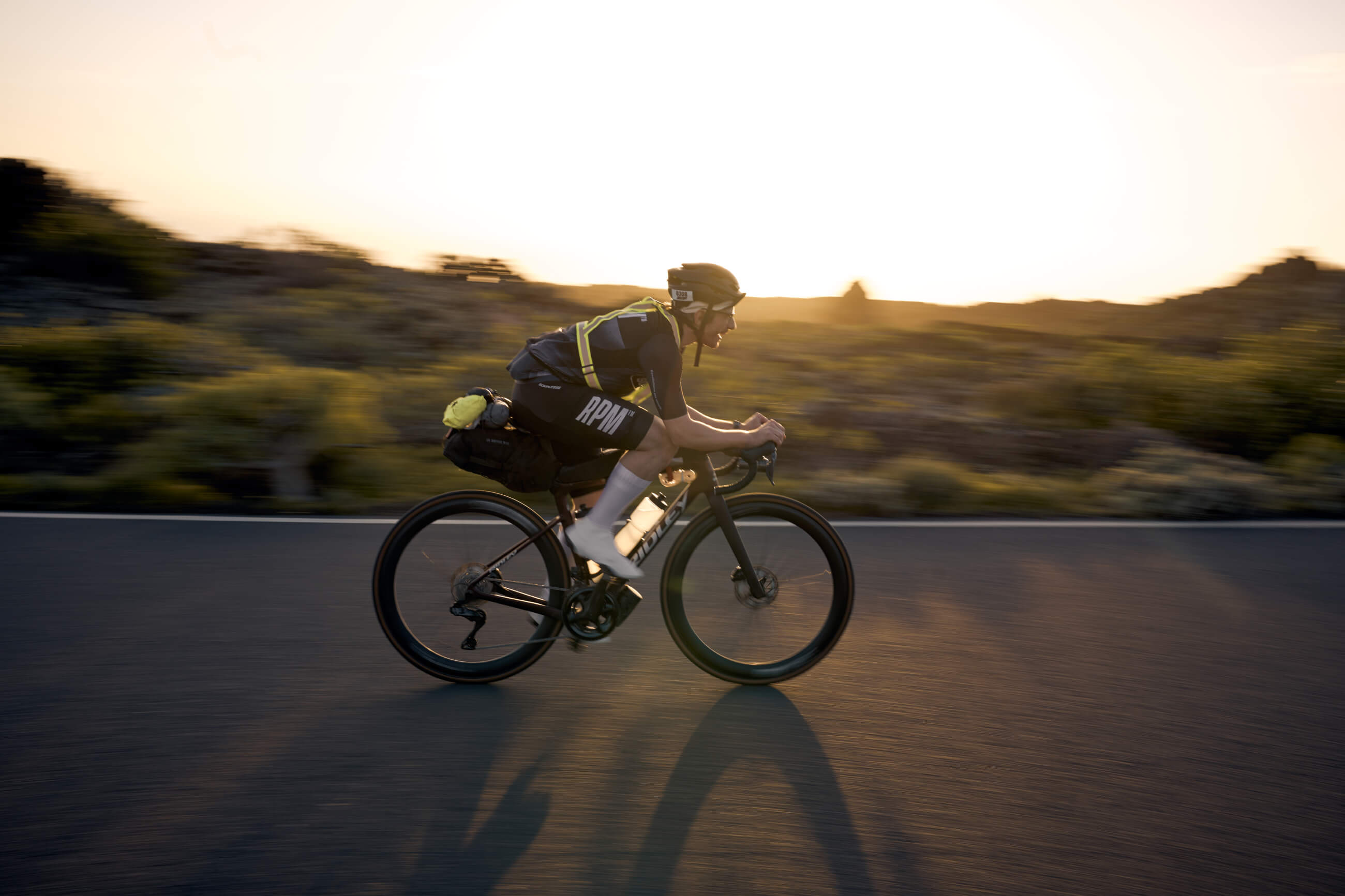

Full name: Sander Mangelschots
Name of the Ultra: Granguanche road Audax
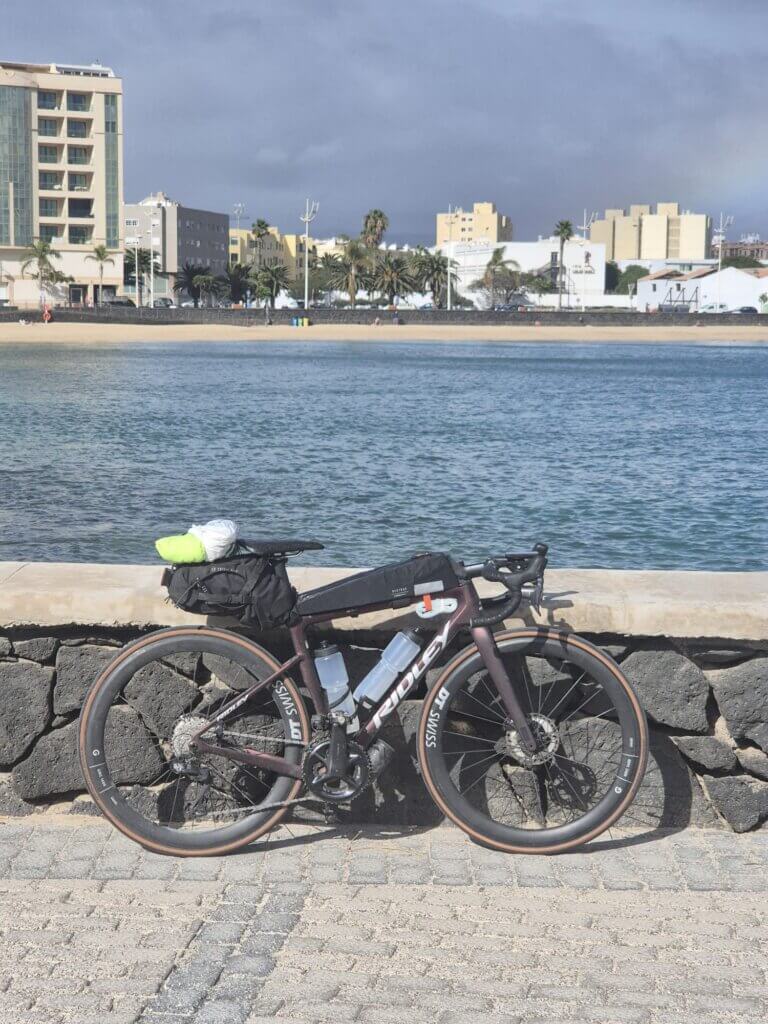
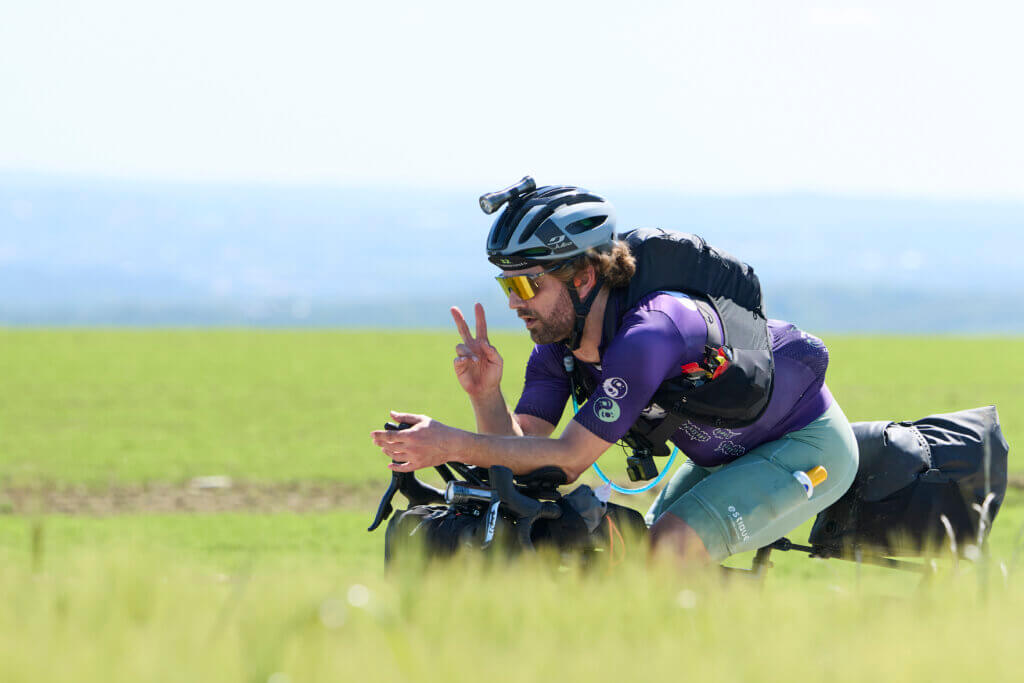
Bike used (model + tire setup + gearing): Ridley – GRIFN RS (All Road Bike). Shimano Ultegra (Compact), DT Swiss GRC 1400, Continental GP5000 S TR (32mm – Tubeless), Coros Dura Head Unit, Exposure Strada RS MK11 Front Light, Fenix BC05R V2.0 Tail Lights (2x)
Finish status (finished / scratched): Scratched
Official distance + elevation: 750 KM – 17.000 D+
Total ride time: Ridden Time: 29:28:54. Elapsed Time: 38:42:55
Why GranGuanche?
Why did you choose the GranGuanche Audax Road?
I’ve only been cycling for a little more than two years. In 2024 a friend sent me the event while it was happening, and I got really excited from dotwatching. It’s a race across five different Canary Islands that you connect by ferry. That added complexity made it such an exciting event to follow.
At that time I had only owned a bike for about three months, so I definitely wasn’t ready for these kinds of adventures yet. I figured 2025 would be too early, since I really wanted to race the event properly. So I put it in my calendar for 2026, and it stayed there ever since.
Have you done other ultra races before?
In the two years leading up to this race I did a lot of solo bikepacking trips. That’s not racing, of course, but I probably learned more from those trips than from any race I did. I had this personal challenge where I only wanted to ride routes that connected to routes I had already done before. That challenge slowly brought me from Belgium to places like the Vosges, the Swiss Alps, Milan, Torino, Siena and the French Alps.
In terms of actual ultra races, my experience was mostly with shorter ones where you don’t really have to think about sleep. I did the Monumental Gravel Race, which is a tough race of about 300 km and 3,500 meters of climbing over Flemish cobbled climbs and technical gravel. I also did UBF Vosges, which is a road race of around 300 km and 6,700 meters of elevation over the climbs in the Vosges.
Those races took about 14–15 hours of riding time, so to me they feel more like a very long day on the bike than a real ultra. But I finished 4th and 5th in those events, which really sparked my excitement for this kind of racing. I enjoy being on the bike for very long periods, and in those events I had the chance to ride for a top-five result. That’s very different compared to typical Gran Fondo races.
What made GranGuanche interesting compared to other ultras?
I really like the fact that you’re mostly racing the ferries rather than each other. The race follows an Audax pace, where you have 36 hours to catch the ferry to the final island. If you make that ferry on time, your registration fee is refunded. That adds a unique dynamic to the race.
It often means you end up riding in groups of like-minded riders who are chasing the same ferries. The event is draft-legal, so you can work together to reach the next ferry in time. In a way it’s a race against the ferry schedule, and everyone is in it together. Until the final island, where you want to be the first to cross the finish line.
What did you expect before arriving in the Canary Islands?
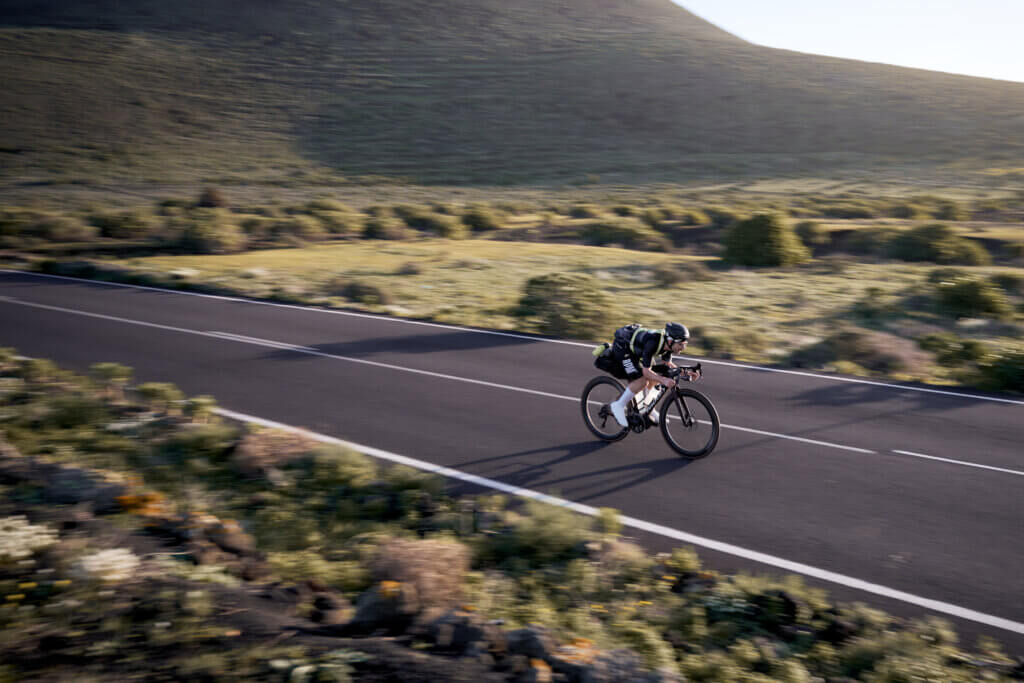
I had been to Lanzarote before, so I already knew about its strange but beautiful volcanic landscape. I remembered it as a sunny island, but also a very windy one. The other islands were new to me, but I expected the views to be spectacular.
The Islands & the ferry schedule
Did the islands feel very different from each other?
Yes, definitely. Every island has its own climate and landscape. It really feels like travelling between different planets. Even within the same island things can change dramatically.
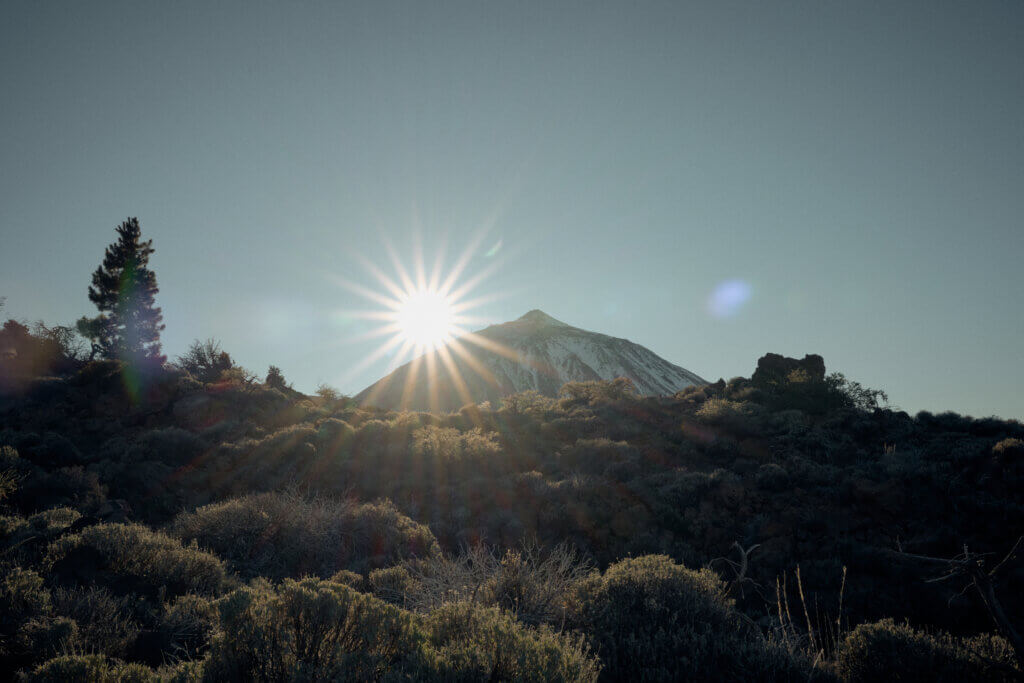
For example, the Macizo de Anaga in Tenerife is incredibly lush and wet compared to the cold and windy plateau of El Teide or the hot beaches in the south of the island. You ride through many completely different environments during the race.
Which island surprised you the most?
That’s a difficult question. If I had seen it in daylight, I would probably say Gran Canaria. You know you’re riding through a huge rugged valley, but at 5 AM you can’t see anything.
Choosing from the views I actually saw, I was really surprised by the beauty of the climbs in Fuerteventura. But the Anaga climb in Tenerife was also incredible. It’s hard to choose just one.
Did the landscape change how you approached each section?
Definitely. When the landscape looks like a painting, I tend to push a little harder out of excitement. I’m not going deep into the red, but slightly above my aerobic threshold. Riding in zone three feels great when you’re enjoying the scenery, but of course you’re burning through extra carbohydrates.
How important were the ferry schedules during the ride?
They are basically the only thing that matters. Everyone is heading for the same ferries. Before the race you spend a lot of time fantasizing about different strategies, but in reality it’s quite straightforward.
If the wind is manageable on Lanzarote, you aim to catch the earliest ferry in a cluster of three ferries leaving around 13:00. Catching that ferry creates a buffer that allows you to ride Fuerteventura at a more relaxed pace while aiming for the 20:00 ferry.
After that comes Gran Canaria, where you just try to keep everything together while riding through the night. From there you catch the next ferry around noon the following day. That’s when the real challenge begins. As Matteo, the organizer, says: “If you’re aiming for the Audax pace, the ride up to Tenerife should feel like an easy group ride with friends. In Tenerife you’ll see whether you can really hold the Audax pace.”
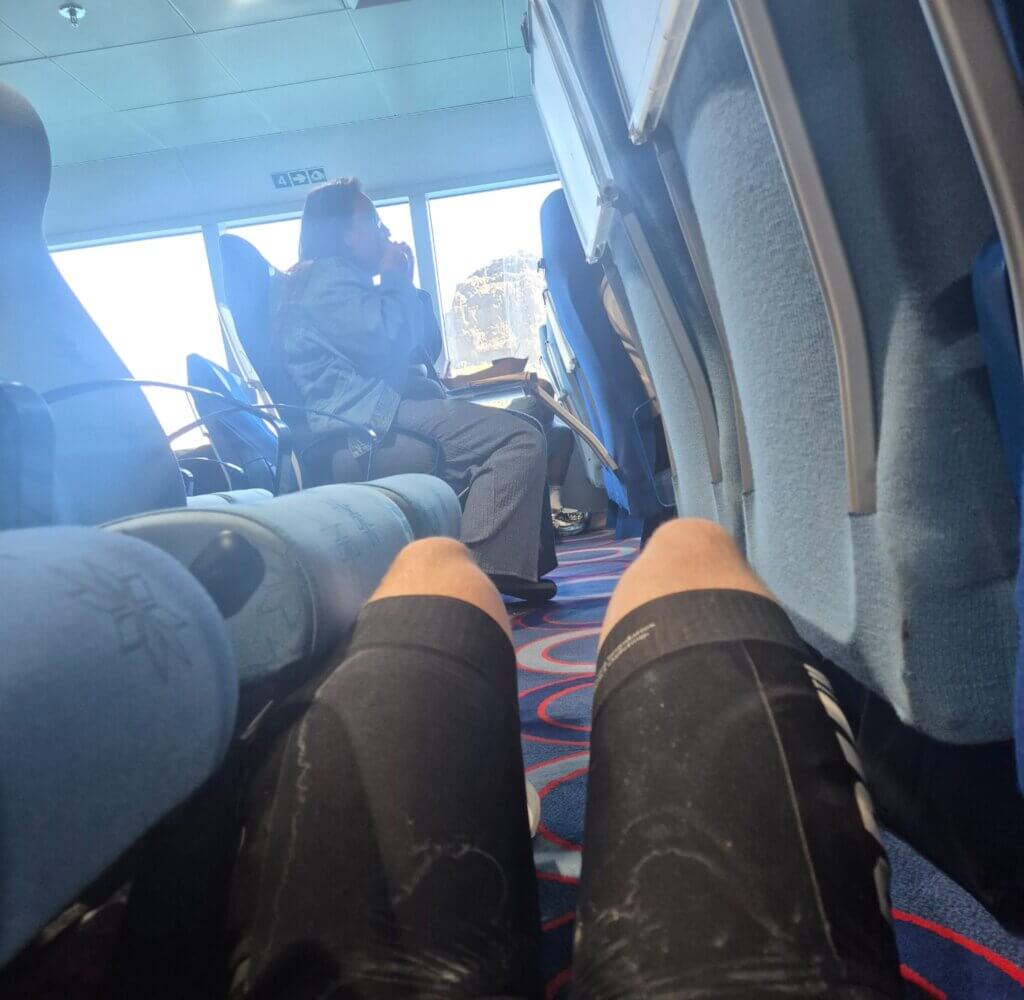
For me, that’s where things started to go wrong. During the fatigue of Gran Canaria, I briefly abandoned the idea of chasing the Audax pace and thought about riding Tenerife at a more relaxed speed so I could sleep afterwards. But after a short nap on the ferry from Gran Canaria to Tenerife, I felt revived and decided to give it one more try.
Unfortunately I had already mentally switched to Plan B earlier, so my bike wasn’t prepared for Plan A anymore. When leaving the ferry terminal there was a group of seven riders pushing hard to reach the Audax ferry. I tried to follow them, but because I rushed my preparations, my rain jacket wasn’t properly stored and got caught in my drivetrain before we even left the city. At that point the Audax attempt was over.
From then on the ferry schedules didn’t really matter anymore. I rode to an Airbnb in Los Cristianos where I could take a shower and get some sleep.
The Terrain
How would you describe the roads in the Canary Islands?
It’s a very polarized experience. You go from the best roads you’ve ever ridden to roads that feel like a goat path. The first two islands are incredibly fast and smooth. Gran Canaria, on the other hand, is very slow, with steep sections and some of the roughest paved roads I’ve ever experienced.
Did wind or weather play a role?
The weather was actually quite good during this edition. Normally the weather is one of the biggest challenges in this race. Lanzarote, Fuerteventura and the El Teide plateau can be extremely windy. Temperatures can also vary a lot because you go from sea level to above 2,000 meters.
You also ride through the mountains of Gran Canaria at night, and the north of Gran Canaria and Tenerife often has wet and unpredictable microclimates. But this year everything was relatively mild. We had no rain, little wind, and if there was wind it was mostly a tailwind. Temperatures never dropped below about five degrees at altitude.
Considering all that, we were very lucky.
The Climbing during GranGuanche
Which climb was the hardest?
Because of my lower back pain, El Teide was probably the hardest climb. I climbed Mount Anaga really well, but by the time I reached El Teide I didn’t push too hard anymore. Without a ferry to chase, a lot of adrenaline had already left my body. Things started to hurt and I got quite cold.
Was the climb up Teide the defining moment of the ride?
It was the hardest part physically, but I don’t think the race was decided there.
For me the defining moment was probably the Ruta de las Presas climb in Gran Canaria. You’re riding through the night for hours without any clear reference points, so it becomes difficult to know whether you’re still on pace for the ferry or not. I knew I had to pass La Aldea de San Nicolás before 7 AM, but with a tired brain I didn’t realize we had already passed it earlier. At the same time I lost my power data there, which made pacing the climbs more difficult. All that uncertainty made me push harder than planned just to be safe. In the end I arrived at the ferry terminal with an hour to spare.

The Mental Side
Did you struggle mentally during the race?
The moment my rain jacket got stuck in my drivetrain was a turning point. That’s when the race suddenly stopped feeling like a race. After arriving at the Airbnb, eating a lot of food, taking a shower and getting a good night of sleep, I actually felt the race spirit coming back. Top five was gone because five riders had already caught the Audax ferry, but I knew I could still fight for a top-ten finish.
But when I boarded the ferry to La Gomera I discovered that I had left my GPS tracker behind in Tenerife. Without the tracker there was no valid result possible anymore.
That was probably the hardest moment mentally. In the end I decided not to finish the race and instead start my recovery. I sat on a terrace in the harbor and ate four bocadillos with egg while waiting for the ferry back to Tenerife.
I feel like I have unfinished business there. Next year I want to go all-in for the Audax pace.- Sander Mangelschots
Advice for Future Riders
What kind of rider would enjoy GranGuanche?
People who enjoy planning and strategy. It’s perfect for riders who like very long days on the bike but don’t necessarily want a race defined by sleep deprivation.
If you’re aiming for the Audax pace, it’s basically 36 hours of riding followed by a bonus stage on the final island after a full night of sleep.
Would you return to GranGuanche?
Yes. As we speak registration for next year has just opened and I’m already registered!
I feel like I have unfinished business there. Next year I want to go all-in for the Audax pace.



0 comments on “Chasing Ferries Across Volcanoes: Riding GranGuanche Audax Road”